
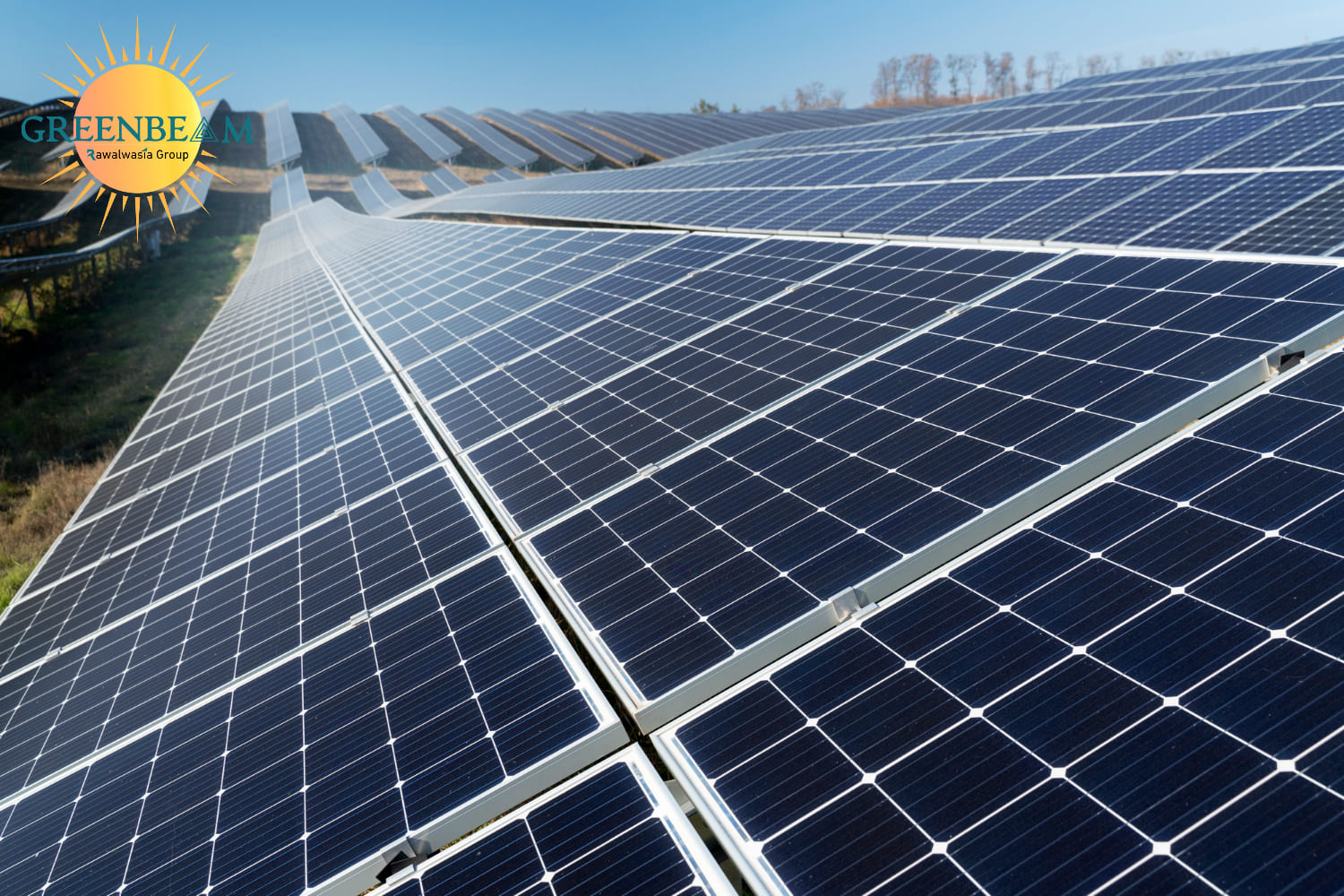
In today’s energy-intensive industrial landscape, the benefits of captive power plant setups are drawing increasing attention. Whether it’s reducing electricity costs, improving operational control, or enhancing energy security, captive power generation is a reliable, sustainable solution for large-scale energy consumers.
Table of Contents
What is a Captive Power Plant?
A captive power plant is a power generation facility used and managed by an individual organization for its own energy consumption. Unlike relying entirely on the national electricity grid, industries opt for captive power to gain independence and reliability in energy supply. According to Central Electricity Authority (CEA), captive power contributes nearly 15% of India’s total industrial electricity usage.
Key Benefits of Captive Power Plant Systems
1. Energy Cost Savings
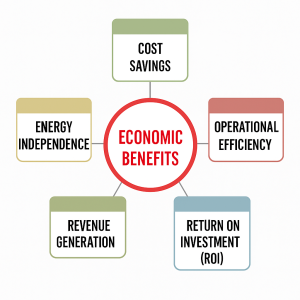
One of the most notable benefits of captive power plant operations is reduced power bills. Over time, savings can significantly outweigh the initial setup costs.
2. Operational Control and Flexibility
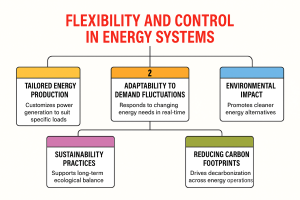
Captive plants offer better flexibility and control over energy production, allowing companies to manage peak loads and maintain stable output.
3. Improved Sustainability
By integrating renewable sources like biomass or solar with captive setups, businesses can actively reduce their carbon footprint. Many companies pair captive solar power plants with their rooftops. If you’re considering this, don’t miss our guide on the Best Solar Roof Top Solutions for commercial spaces.
4. Uninterrupted Power Supply
Captive power ensures reliable and uninterrupted electricity, minimizing downtime and enhancing productivity, especially in manufacturing units.
5. Attractive Return on Investment (ROI)
While initial investments are substantial, the long-term ROI from cost savings and energy efficiency makes captive power a lucrative choice.
Economic Benefits
Flexibility And Control
Captive vs. Grid Power: Which is Better?
| Feature | Captive Power Plant | Grid Power |
|---|---|---|
| Cost Efficiency | High (after setup) | Moderate to Low |
| Reliability | Very High | Subject to outages |
| Environmental Impact | Can be minimized | Depends on energy mix |
| Long-term Control | Excellent | Limited |
Captive power clearly offers superior long-term benefits to industries prioritizing energy reliability and sustainability.
Top Industries Using Captive Power Plants
-
Cement & Steel
-
Chemical Manufacturing
-
Textiles
-
Pharmaceuticals
-
IT Parks & Data Centers
These sectors benefit the most due to their high and continuous energy needs.
How to Set Up a Captive Power Plant
-
Feasibility Study – Analyze your energy needs and ROI.
-
Technology Selection – Choose between solar, biomass, gas, or diesel.
-
Regulatory Compliance – Ensure you’re in line with energy laws.
-
Installation & Commissioning – Partner with a reputed EPC provider.
-
Maintenance & Monitoring – Implement a control system for ongoing efficiency.
If you’re considering integrating solar energy, check out our solution on best solar roof top options for businesses.
Conclusion
The benefits of captive power plant systems are too significant to ignore for industries seeking energy independence, cost efficiency, and sustainability. In a rapidly transforming energy landscape, investing in captive power could be your smartest strategic move yet.
FAQs
Q1. What are captive power plants used for?
Ans: They supply power to the owner’s facility, providing autonomy from public utilities.
Q2. Is captive power cheaper than grid electricity?
Ans: Yes, especially in the long term due to fuel cost control and minimal transmission losses.
Q3. Can captive power plants use renewable energy?
Ans: Absolutely. Solar, wind, and biomass are increasingly used for sustainable captive generation.